Mold Removal in Alpine, UT
Alpine is the highest town in the north county at about 5,050 feet, settled in 1850 in a pocket of the mountains with several small streams running through it. Dry Creek drains Alpine Canyon past Horsetail Falls, through town, and on down through Highland and Lehi. The housing is a mix of the old town grid around Main Street and large custom homes from the 1980s onward on the benches and up the canyon sides. Housing units went from about 1,000 in 1970 to nearly 2,800 by 2020, almost all with full basements.
The creek and the slopes set the water pattern. The 1983 melt sent Dry Creek runoff from above Alpine through every town below it on May 29. On September 7, 2013 a thunderstorm dropped three quarters of an inch of rain in 15 minutes and put mud and water into about a dozen Alpine homes, with about a hundred people evacuated. Water on a hillside lot finds the uphill basement wall first.
Homeowners in Alpine reach an independent local mold provider through this site's phone line. The provider handles the inspection and the work. This site sets up the call.
Alpine mold removal, hillside basements and long supply runs
A basement wall on the uphill side that went soft after a storm or the melt is a basement mold remediation job, and the crew maps every wall with a meter before cutting. Big houses at this elevation freeze hard, and a supply line that split in an exterior wall during a cold snap is where whole-home mold remediation starts. The mold damage repair that follows usually includes insulating that line so it does not happen again.
Where to call in Alpine
The Alpine City Building Department on North Main issues permits for the drywall, plumbing, and electrical work that follows removal. The town's 255-acre Lambert Park on the east bench is the open ground above many of the homes that took mud in 2013, and a walk up its trails after a storm shows where the water wants to go.
Call (385) 534-4662 to be connected with a local mold provider serving Alpine.
Services Available in Alpine
Mold Removal
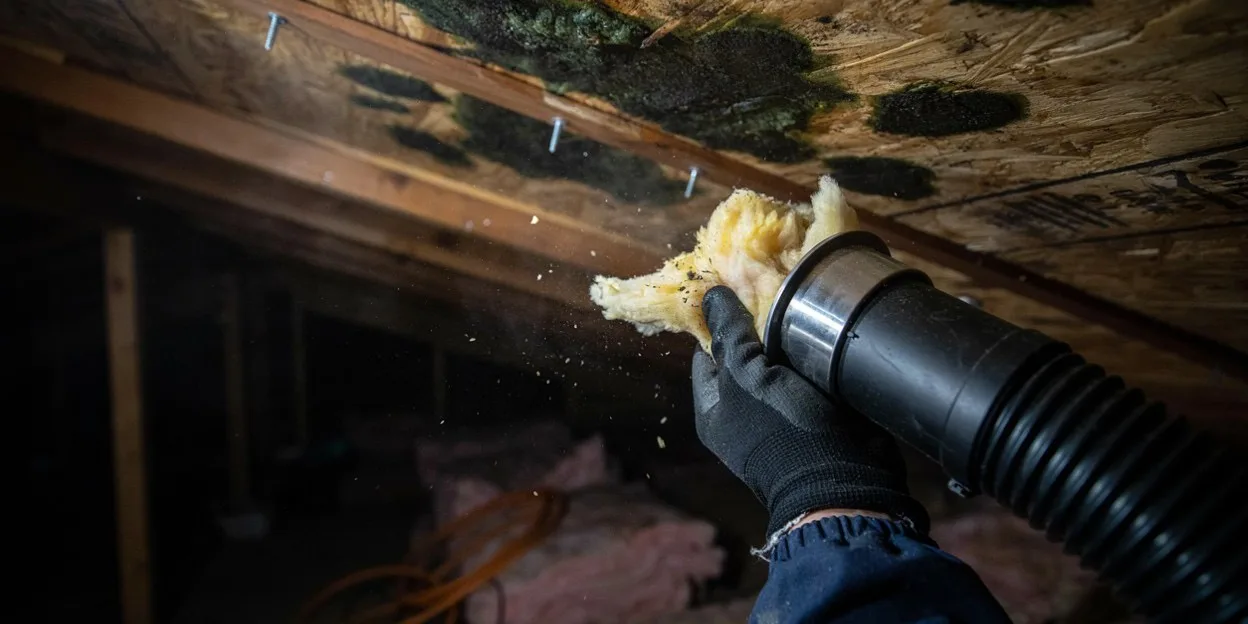
Containment, negative air, and removal of the wet drywall, carpet pad, and insulation that grew it, then cleaning and drying what stays.
Black Mold Removal
Dark growth handled under full containment with protective gear. Color does not name the species, and the work does not change because of it.
Basement Mold Remediation
Finished basements that took water from a window well, a seep, a sump, or a burst line, opened, cleared, and dried to the foundation.
Whole-Home Mold Remediation
Room-by-room containment and removal after a long leak, a winter pipe burst in an empty house, or a basement that flooded more than once.
Bathroom Mold Removal
Growth on ceilings, behind vanities, and inside walls from steam, a slow supply leak, or a fan that vents into the attic.
HVAC Mold Cleaning
Furnace cabinet, coil, humidifier, and duct cleaning when the smell comes with the blower, plus swamp-cooler pads and pans on older homes.
Mold Odor Removal
Finding and removing the wet material behind a musty smell in a basement or crawl space, then clearing the air instead of covering it.
Mold Damage Repair
Drywall, baseboard, insulation, and subfloor put back after removal, with the wall read dry before anything closes.